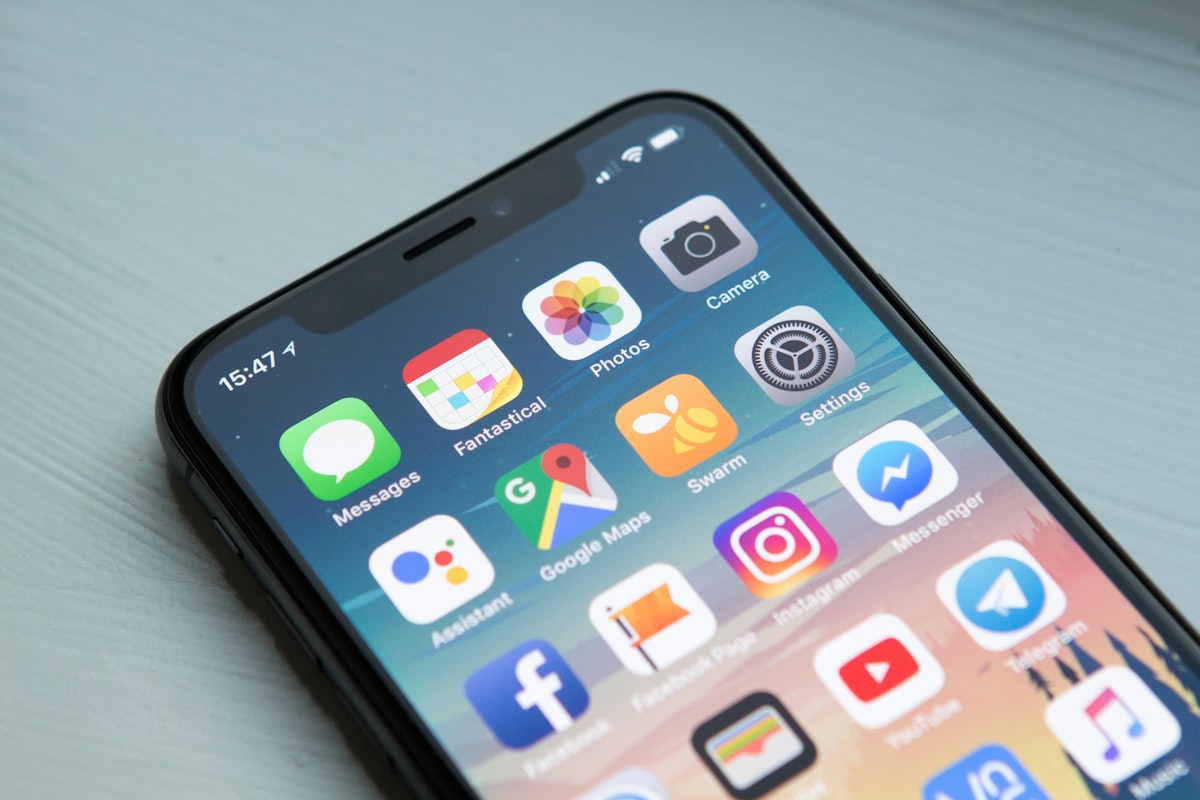
Mobile devices now account for over 60% of global web traffic, and Google uses mobile-first indexing for all websites. If your site doesn't perform well on mobile, you're losing customers and search rankings. Mobile-first development isn't just a trend—it's the foundation of modern web design.
What is Mobile-First Development?
Mobile-first development means designing and building for mobile devices first, then progressively enhancing for larger screens. This approach inverts the traditional desktop-first methodology:
Traditional (Desktop-First)
- Design for desktop
- Scale down for tablet
- Squeeze into mobile
Mobile-First
- Design for mobile
- Enhance for tablet
- Expand for desktop
The mobile-first approach ensures the mobile experience is exceptional—not an afterthought.
Why Mobile-First Matters
1. Google's Mobile-First Indexing
Google now primarily uses the mobile version of your site for indexing and ranking. If your mobile site has less content, slower speeds, or poor usability, your SEO rankings will suffer.
2. User Behavior Has Shifted
Consider how your customers use the internet:
- 60%+ of web traffic comes from mobile devices
- 70% of mobile searches lead to action within an hour
- Users spend 90% of mobile time in apps or mobile browsers
- 40% of users abandon sites that take over 3 seconds to load
3. Better User Experience
Mobile-first design forces you to prioritize. With limited screen space, you must focus on:
- Essential content and features
- Clear navigation and CTAs
- Fast load times
- Touch-friendly interactions
These constraints often result in better desktop experiences too.
Mobile-First Best Practices
Touch-Friendly Design
Design for fingers, not cursors:
- Minimum 44x44 pixel touch targets
- Adequate spacing between interactive elements
- Swipe-friendly carousels and galleries
- Sticky navigation or floating action buttons
Performance Optimization
Mobile users often have slower connections. Optimize for speed:
- Compress and lazy-load images
- Minimize JavaScript and CSS
- Use modern image formats (WebP, AVIF)
- Implement caching strategies
- Choose fast hosting
Simplified Navigation
Mobile navigation should be:
- Easy to access (hamburger menu or bottom navigation)
- Simple hierarchy (avoid deep nesting)
- Touch-friendly with large tap targets
- Consistent across the site
Content Prioritization
Lead with the most important content:
- Key messages above the fold
- Scannable headings and bullet points
- Collapsible sections for secondary content
- Clear, prominent CTAs
Form Optimization
Forms on mobile require special attention:
- Minimize required fields
- Use appropriate input types (email, phone, number)
- Enable autofill and autocomplete
- Show clear validation messages
- Use single-column layouts
Testing Your Mobile Experience
Regularly test your site on mobile devices:
- Google Mobile-Friendly Test: Basic mobile compatibility check
- PageSpeed Insights: Performance analysis with mobile scores
- Real Device Testing: Test on actual phones and tablets
- Chrome DevTools: Simulate various devices and network speeds
- User Testing: Watch real users navigate your mobile site
Mobile-First for Different Project Types
Business Websites
For business websites, mobile-first means ensuring contact info, key services, and location details are immediately accessible on mobile.
E-Commerce
Mobile e-commerce requires streamlined product browsing, easy add-to-cart functionality, and mobile payment support.
Mobile Apps
For dedicated Android or iOS apps, mobile-first is inherent—but responsive companion websites should still follow these principles.
"Design for the smallest screen first. If your content works well on mobile, it will work everywhere else." — Luke Wroblewski, Author of Mobile First
Ready to ensure your website delivers an exceptional mobile experience? Our web design team builds mobile-first websites that convert.
Is Your Website Mobile-Friendly?
Get a free audit to see how your site performs on mobile devices.
Get Free Mobile Audit